Twenty Years of Underwater Archaeology at the Heart of the Golden Age of Piracy
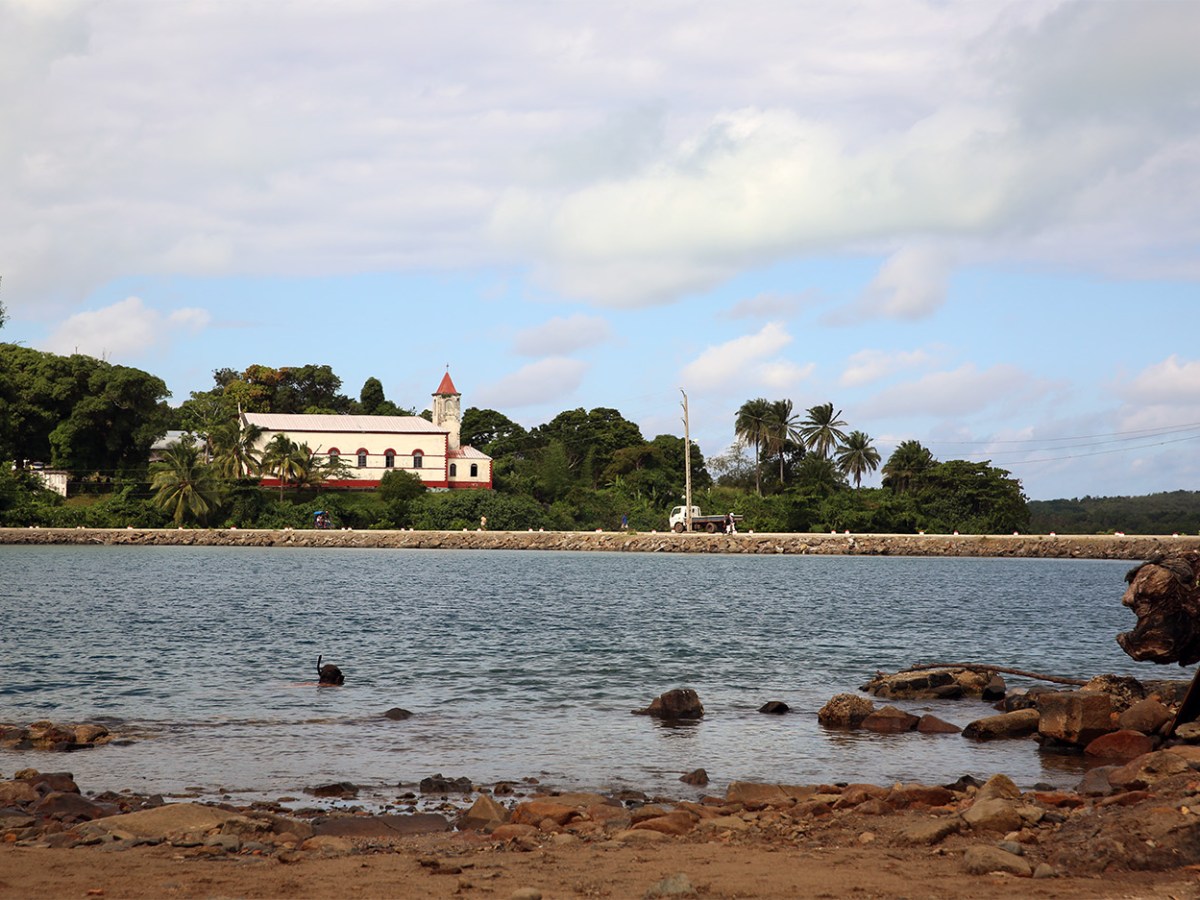
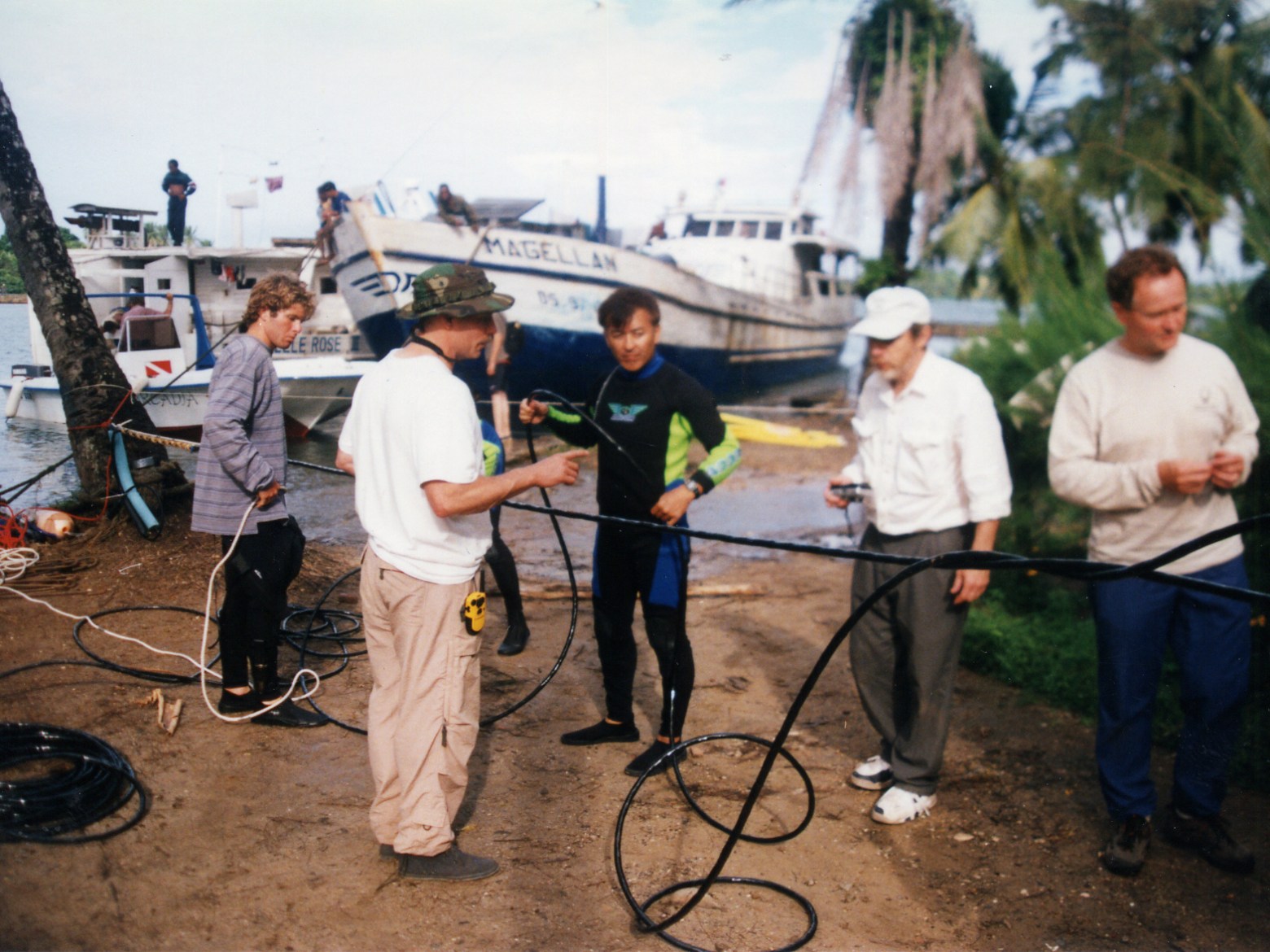
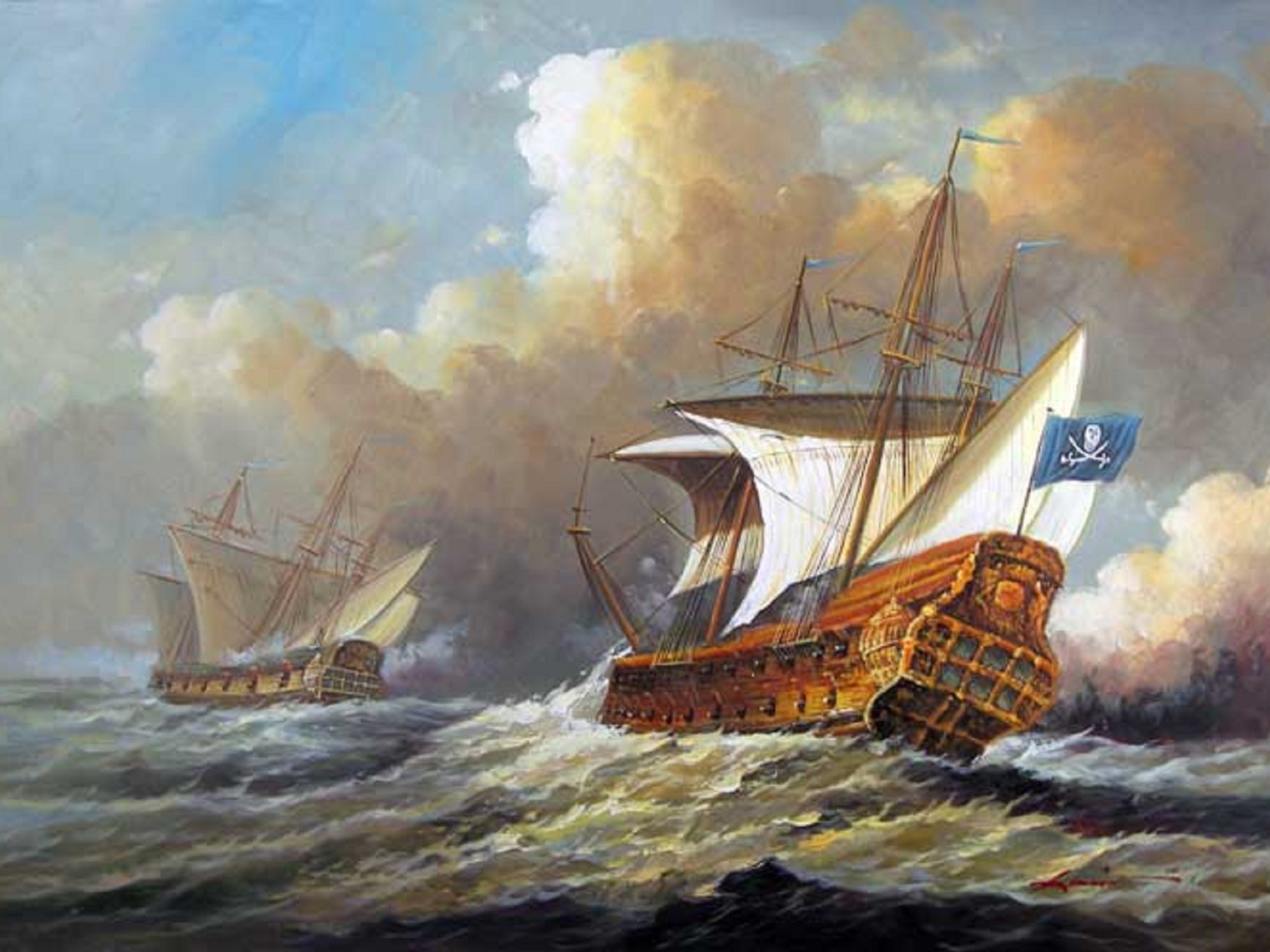
The harbor waters of Île Sainte-Marie — now Nosy Boraha, off the northeast coast of Madagascar — contain one of the densest concentrations of Golden Age of Piracy shipwrecks ever identified anywhere in the world. Our research team, building on the same expertise that authenticated the Whydah Gally off Cape Cod, has led underwater archaeological investigations at this site since 1999. Between 1999 and 2015 we completed seven major expeditions, discovering multiple pirate-era wrecks — among them two of the most historically significant vessels of the era — and producing three documentary films that brought these discoveries to international audiences. The identities of the wrecks remain subjects of ongoing research; none has yet been conclusively confirmed, and each continues to yield new evidence.
The Island and Its History
Île Sainte-Marie appears in historical sources as the principal center of Indian Ocean piracy between approximately 1690 and 1730. Its natural harbor, protected from monsoon systems and regional currents, gave mariners exceptional access to the Portuguese, Dutch, British, and Spanish shipping lanes whose treasure-laden vessels were returning to European capitals. The island’s remoteness placed it largely outside the reach of royal authority, making it an attractive base for resupply, refitting, and the division of plunder. Pirates quickly established working relationships with the local Betsimisaraka population, and by the 1690s the island supported a community of around 1,500 people, with supply networks connecting it to colonial merchants as far away as Boston and New York.
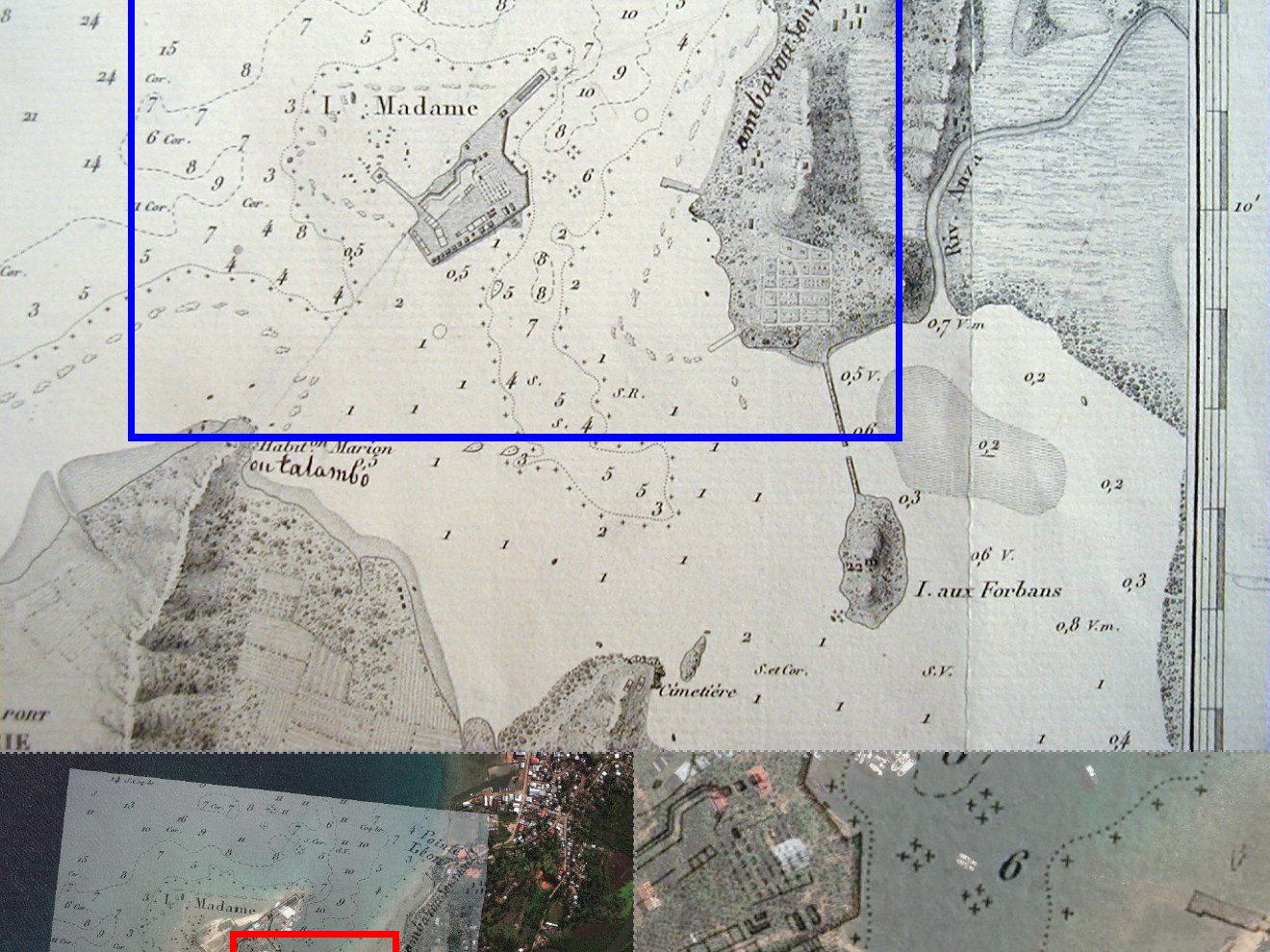
A 1698 deposition records that those using the island had built a fortified stockade with warehouses for storing goods. Primary sources also document that enslaved people were held on Île aux Forbans — the small fortified islet within the harbor — and that coerced labor contributed to the construction of pirate infrastructure. Historical records suggest between seven and ten shipwrecks and scuttlings occurred in the vicinity of the harbor during the Golden Age of Piracy, and at least four wreck sites are believed to lie there still. A 1733 map found in the Paris archives identifies the island simply as “the Island of Pirates” and marks three shipwreck locations within the harbor.
The Pirates of Sainte-Marie
Among the documented figures who used Sainte-Marie as a base were some of the most significant pirates of the era. Their vessels, and in some cases their fates, are directly relevant to the wreck sites our team has been investigating since 1999. The island was home — at various times — to Captain William Kidd, Robert Culliford, Christopher Condent, Olivier Levasseur, and others. Each left traces, both in the historical record and potentially on the harbor floor.
Robert Culliford and the Great Mahomet
Robert Culliford, a Cornish pirate who operated primarily from Sainte-Marie in the late 1690s, was one of the most active figures in the Indian Ocean during this period — and one whose career intersected directly with Captain William Kidd’s. In September 1698, Culliford, commanding the Mocha Frigate, attacked a 600-ton Hajj vessel called the Great Mahomet in the Red Sea, homeward bound to Surat from Jeddah. Primary sources record a violent engagement resulting in the deaths of over three hundred passengers and crew. The ship carried the personal possessions of approximately 600 Hajj pilgrims, along with decorative and ceremonial artifacts. On January 29, 1699, Culliford’s flotilla arrived at Sainte-Marie only to be surprised by a Royal Navy squadron under Commodore Thomas Warren. To block the harbor entrance, the pirates deliberately scuttled the Great Mahomet and the Mocha Frigate across the channel. Our team’s seismic testing and diver examination have identified wreck anomalies deep in the harbor’s sub-bottom consistent with these two vessels, which appear to have lain largely undisturbed for over three centuries. These identifications are tentative and await further investigation.
Christopher Condent and a Third Wreck Candidate
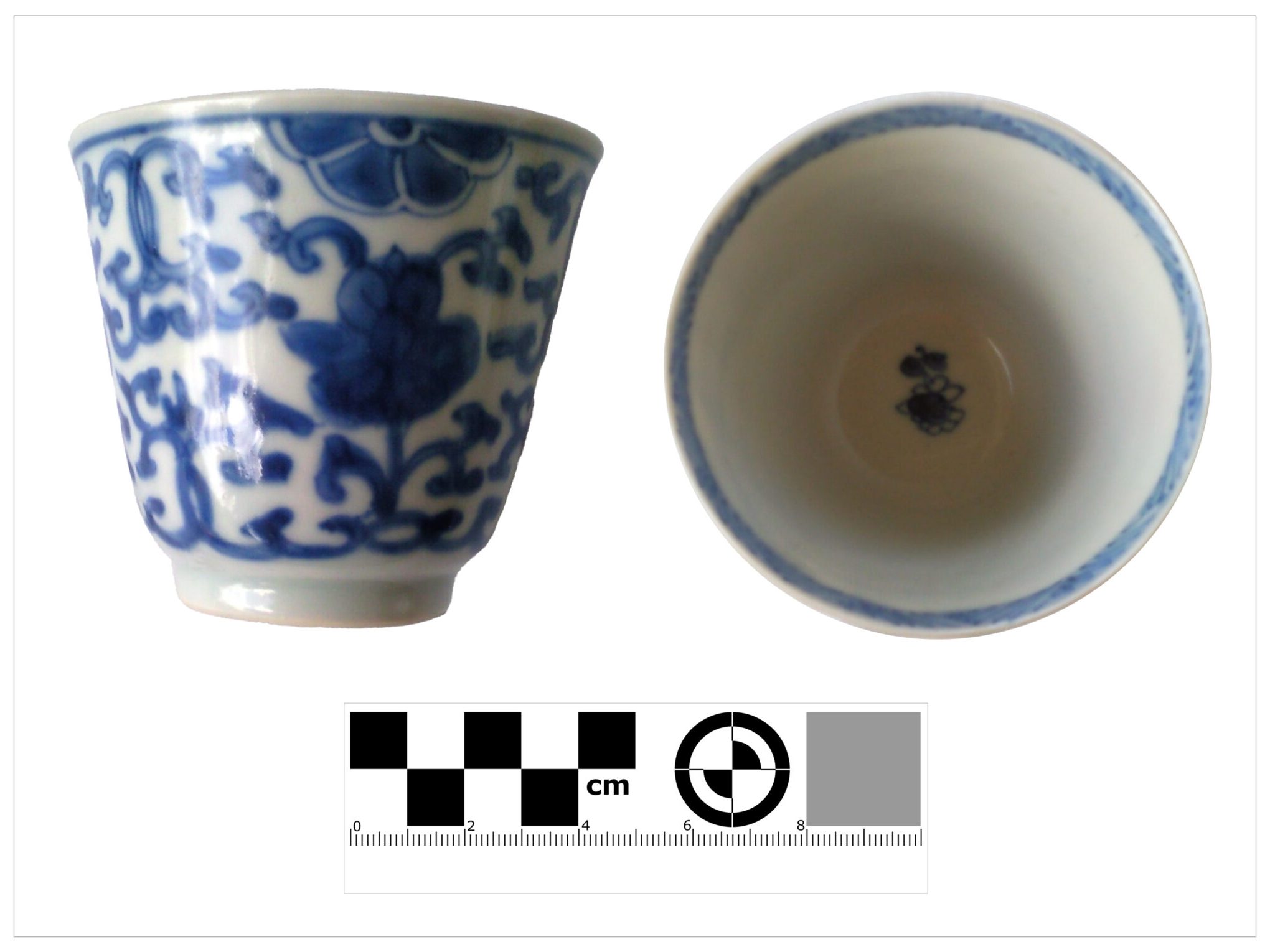
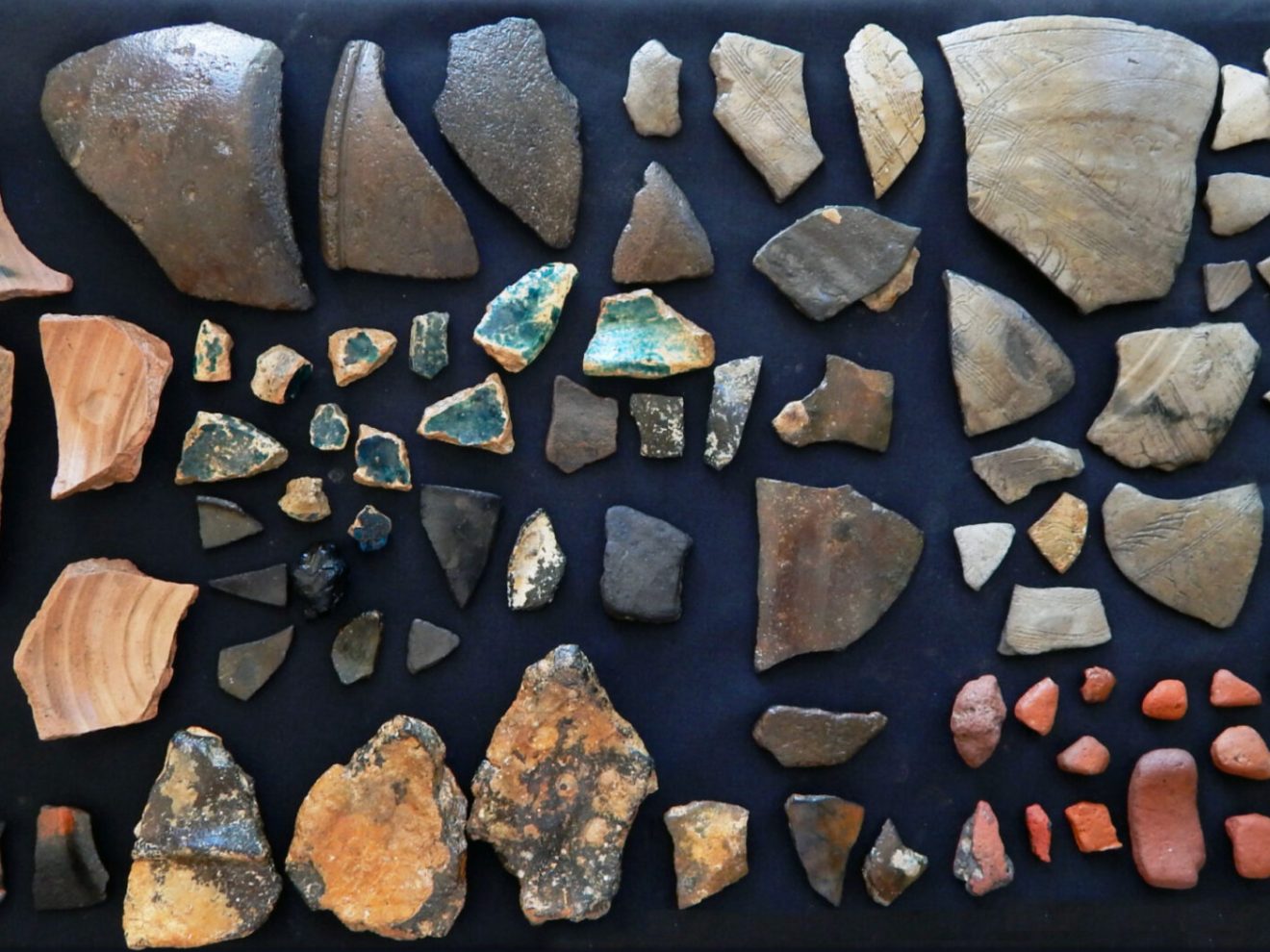
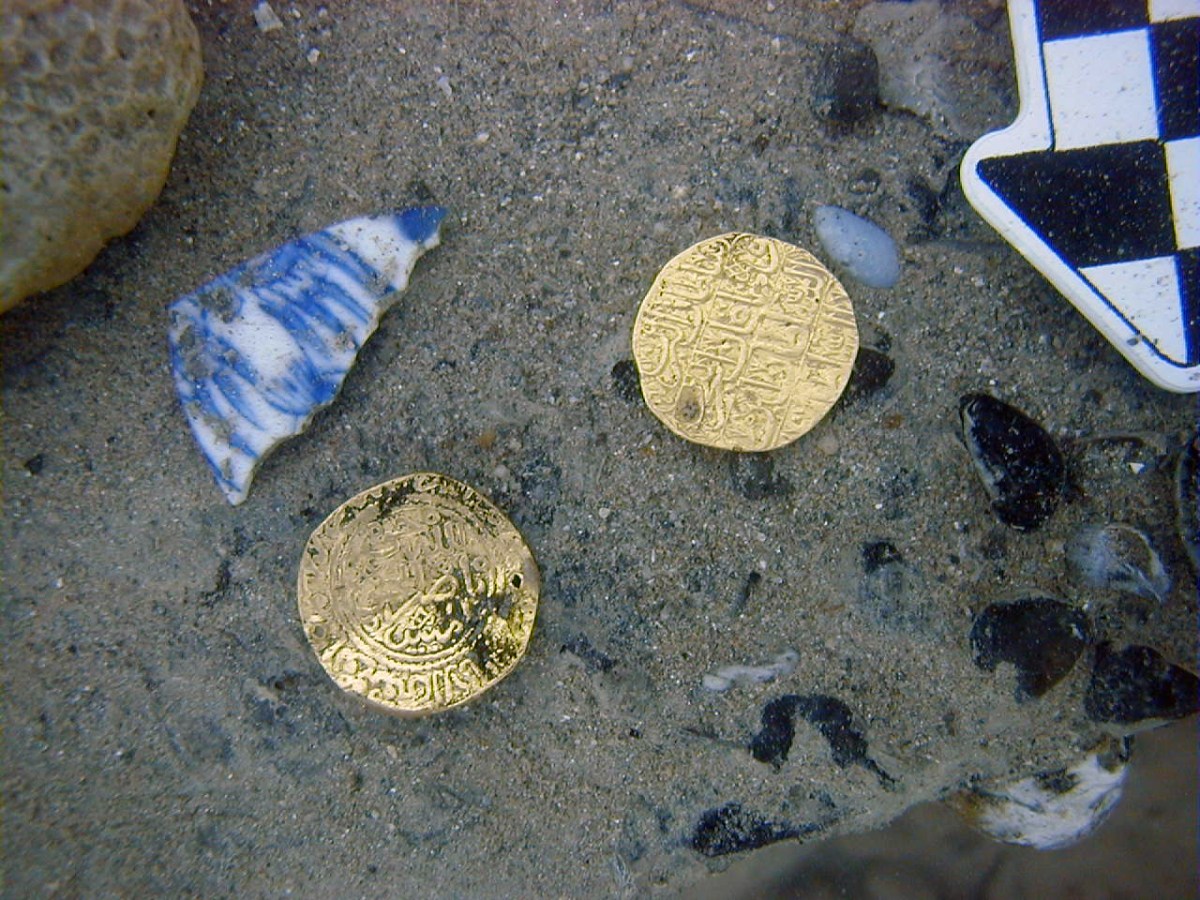
Christopher Condent, also known as William Condon, was a British pirate who used Sainte-Marie as a base in the early 18th century. A 1720 amnesty document found in the departmental archives of Morbihan, France, stipulates that a pirate captain consistent with Condent’s circumstances must scuttle his ships at anchor at Sainte-Marie as a condition of receiving a colonial pardon. This document also confirms that more than 135 pirates and nearly 80 enslaved individuals were still residing on the island at that time. Our excavations identified a wreck site with an assemblage — including over 2,000 fragments of Chinese export porcelain, 13 gold coins of various origins, and European objects — dated between the late 17th century and approximately 1721. A second overlapping wreck of probable Asian origin may also be present at the same site, though this hypothesis is unconfirmed. Neither identification is conclusive.
Two Major Discoveries: The Adventure Galley and the Nossa Senhora do Cabo
Of the multiple wreck sites identified by our team at Sainte-Marie, two stand out as historically exceptional. The first is associated with Captain William Kidd — one of the most famous figures in the entire history of piracy. The second is a large Portuguese treasure ship, tentatively identified as the Nossa Senhora do Cabo, whose capture in 1721 constituted one of the greatest pirate prizes ever recorded. Both identifications are strongly supported by convergent archaeological and archival evidence. Neither is yet conclusively confirmed. Both continue to be investigated.
Captain William Kidd and the Adventure Galley
Captain William Kidd is among the most documented and debated figures of the Golden Age of Piracy. Originally commissioned by British authorities to suppress piracy in the Indian Ocean, Kidd’s career became increasingly entangled with the very activity he was tasked to prevent, and he was ultimately arrested, tried, and executed for piracy in London in 1701. Historical records indicate that his ship, the Adventure Galley — a 284-ton, 34-gun vessel — was left to sink in the harbor at Sainte-Marie following his capture, after his crew transferred to another vessel. Kidd’s time at Sainte-Marie is also connected to Culliford: when Kidd arrived at the island in 1698, most of his crew abandoned him to join Culliford, leaving Kidd with a near-empty, unseaworthy ship — a moment recorded in detail in primary sources and directly relevant to the archaeology of the harbor.
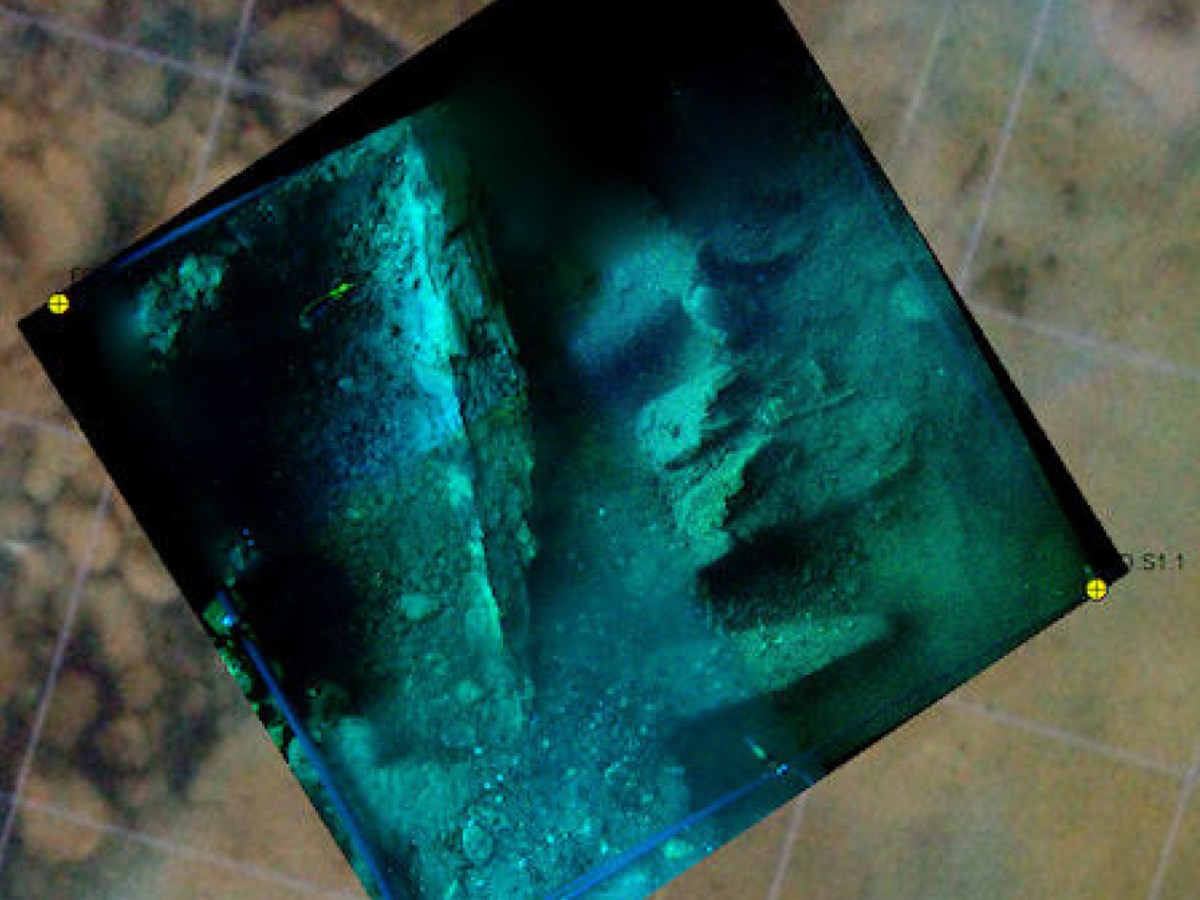
Our team first identified geophysical anomalies consistent with the Adventure Galley‘s profile during expeditions beginning in 1999 and 2000. Sub-bottom profiling and side-scan sonar data revealed buried hull remnants and iron concretions in an area historically associated with the ship’s reported scuttling location. The tentative identification of the Adventure Galley is one of the most significant potential finds at Sainte-Marie, given the vessel’s place in history and the richness of the documentary record surrounding it. No definitive inscriptions, armament markings, or other unambiguous diagnostic evidence have yet been recovered, and the identification has not been independently verified. The site remains a primary focus of our continuing research.
Olivier Levasseur — La Buse — and the Nossa Senhora do Cabo
Olivier Levasseur, known as “La Buse” (The Buzzard), was a French pirate whose 1721 capture of the Nossa Senhora do Cabo near Réunion Island constituted one of the most documented and valuable pirate raids in history. The vessel was a 700-ton Portuguese warship en route from Goa to Lisbon, carrying the outgoing Portuguese Viceroy, the Archbishop of Goa, a diplomatic and religious cargo of extraordinary value, and — according to primary sources — more than 200 enslaved people from Mozambique. Already damaged by a storm and unable to mount effective resistance, the ship was taken with little opposition. Historical records document that approximately 60 enslaved people died during the capture. The Nossa Senhora do Cabo was brought to Sainte-Marie, refitted and renamed the Victorieux, before being careened and scuttled — likely burned to the waterline — in the harbor. The human cost of this event is an inseparable part of the vessel’s history and of the wider story of Indian Ocean piracy.
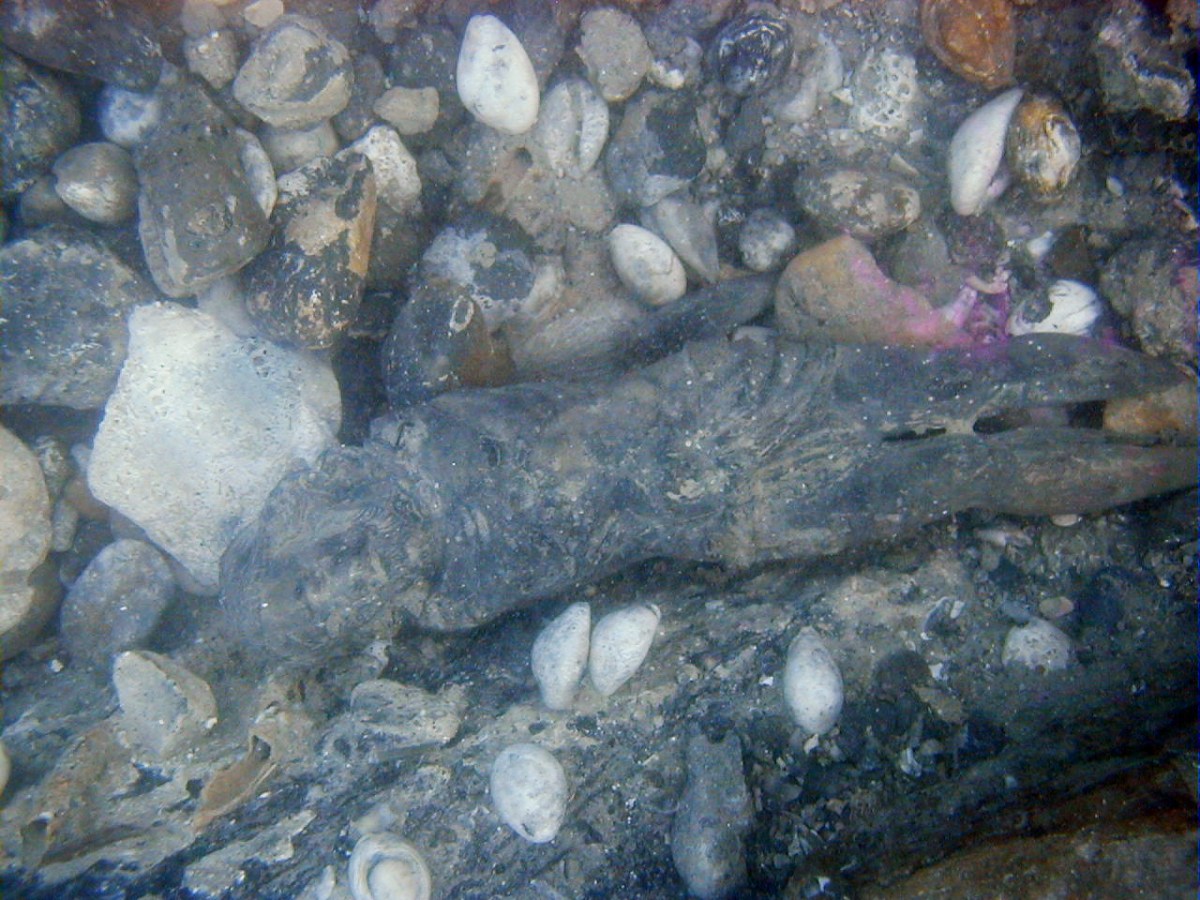
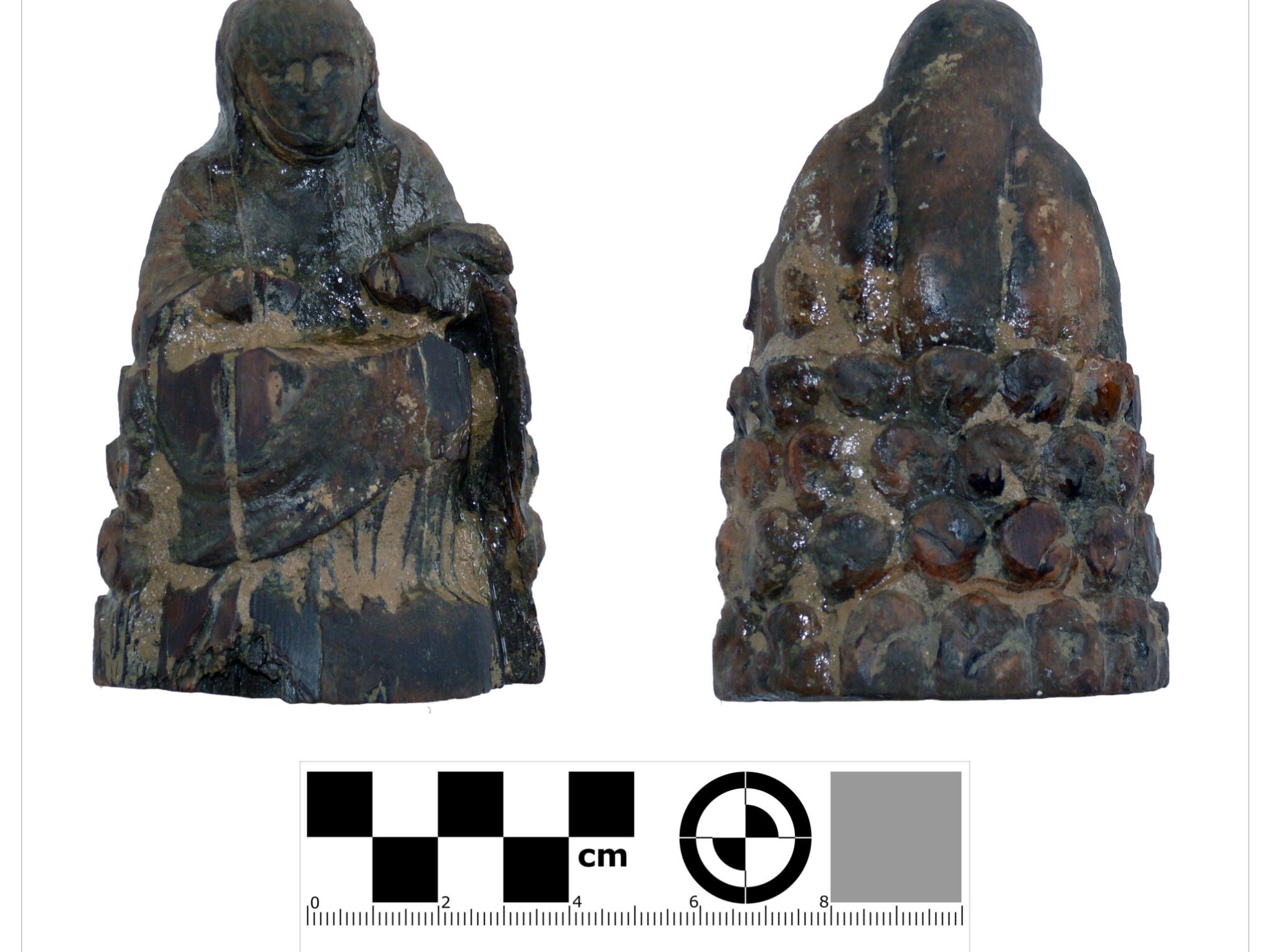
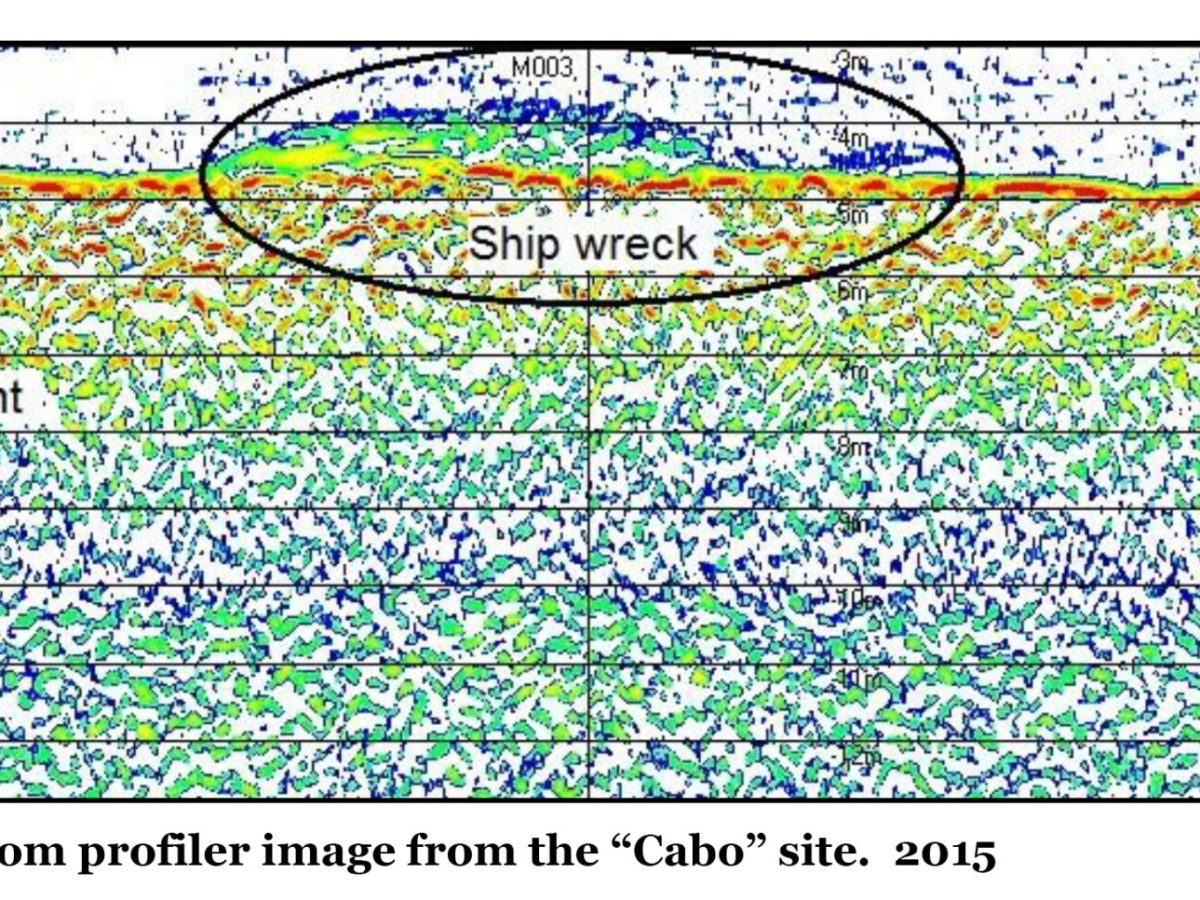
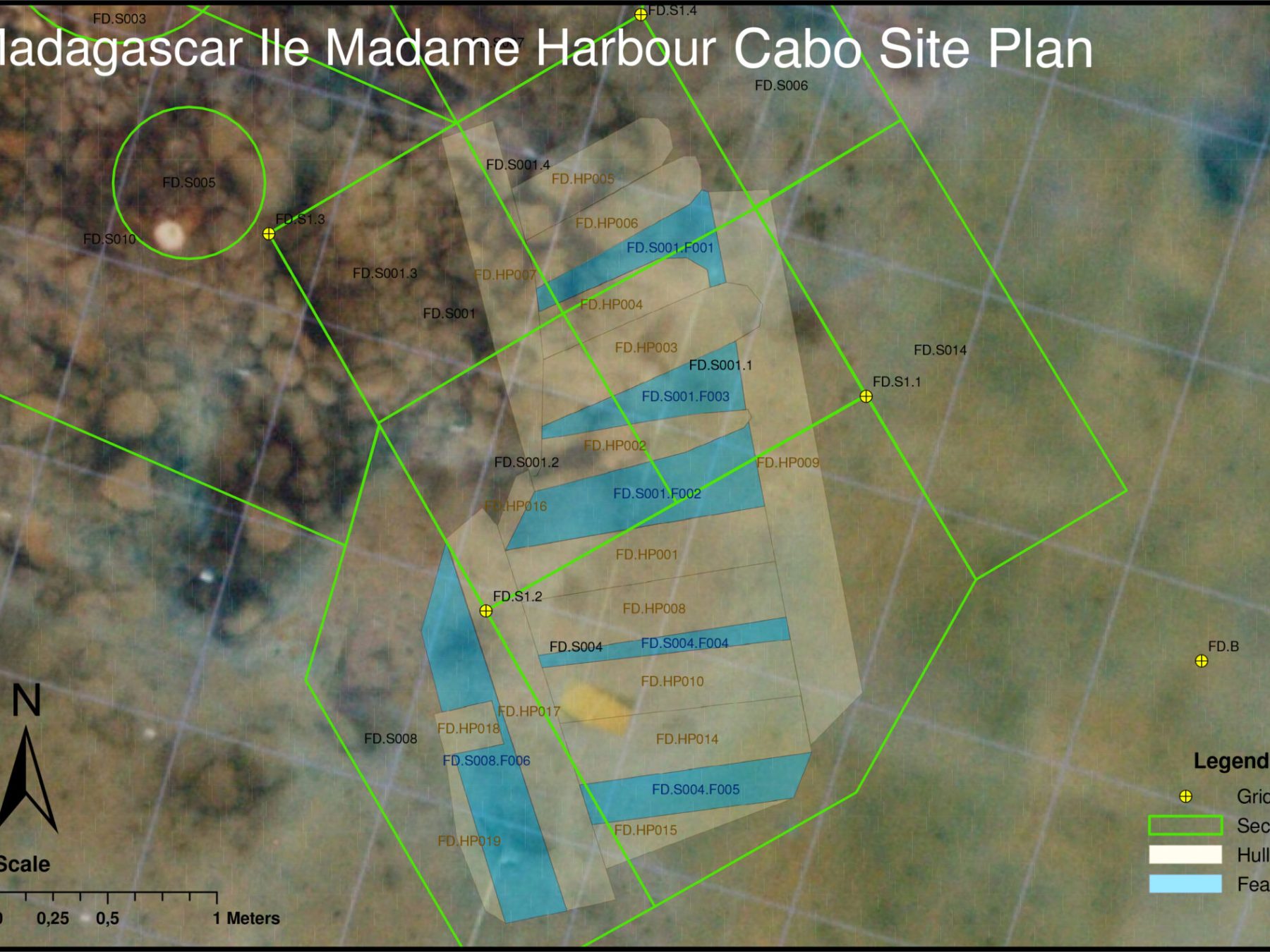
Our team has been investigating the most archaeologically compelling wreck site in the harbor since 2000, and based on over two decades of fieldwork we believe the evidence is consistent with the Nossa Senhora do Cabo. Over 3,300 catalogued objects and fragments were recovered across the field seasons, including Chinese export porcelain, religious artifacts of probable Goan origin, gold and Islamic coinage, cowrie shells, and construction materials consistent with Portuguese East Indian design. Among the most diagnostic finds are carved devotional objects — a Madonna figure, a partial crucifix, and an ivory plaque bearing the Latin inscription “INRI” in gold lettering — consistent with sacred cargo from a Portuguese vessel of state departing Goa. A numismatic assemblage of 13 gold coins with mint dates ranging from 1649 to 1718 suggests a terminal deposition date aligned with the ship’s final known operational period. Construction evidence — double futtocks, broad keel timbers, and copper-alloy fastenings — is consistent with Indo-Portuguese shipbuilding conventions, and the wreck’s seismic profile extends over 30 meters, consistent with the approximate dimensions of an 18th-century Portuguese galleon. This identification, while strongly supported by the evidence, has not yet been conclusively confirmed and remains the subject of continuing research.
The Underground Tunnel Complex
In addition to the underwater wreck sites, our terrestrial investigations on Île aux Forbans produced a further remarkable discovery. Following the partial decoding of cryptic rock carvings on the island, ground-penetrating radar surveys revealed evidence of an apparent subterranean tunnel complex approximately 30 meters in length beneath the islet. The purpose of this structure remains unknown. It may have served as a storage facility, an escape route, a water management system, or a defensive feature. The tunnel complex has not been excavated and its full extent, date, and function remain subjects of ongoing investigation.
Archaeological Methodology
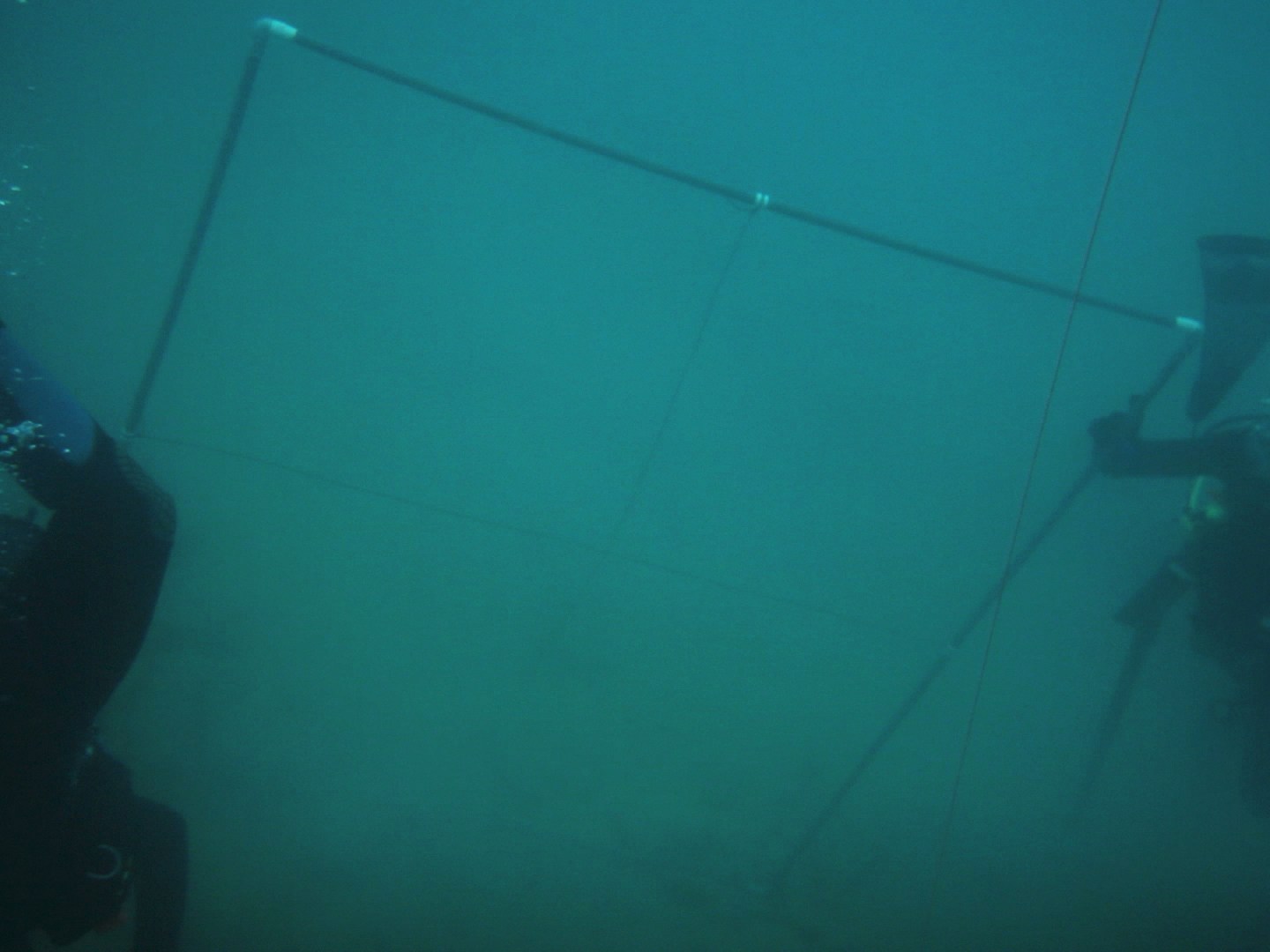
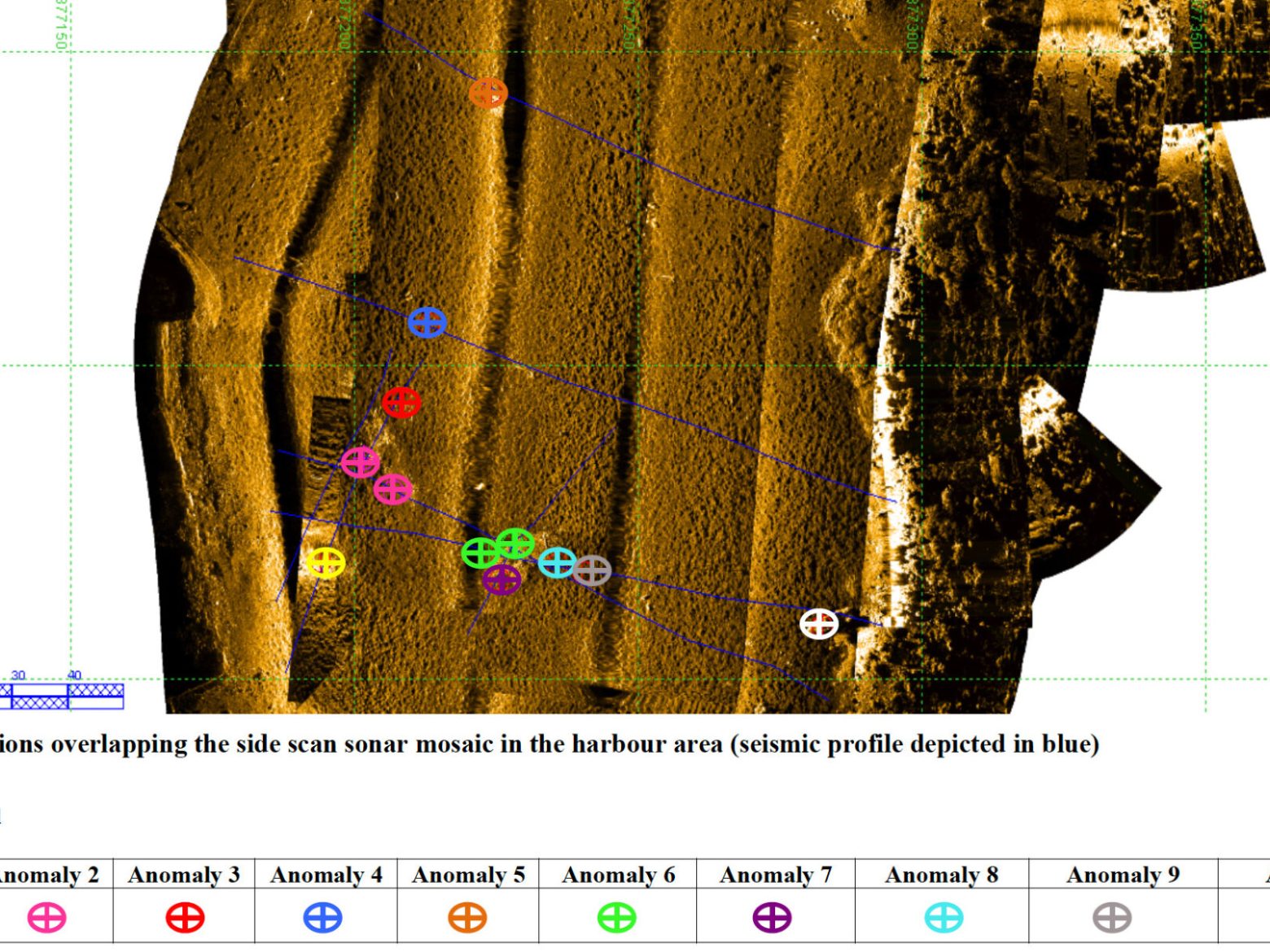
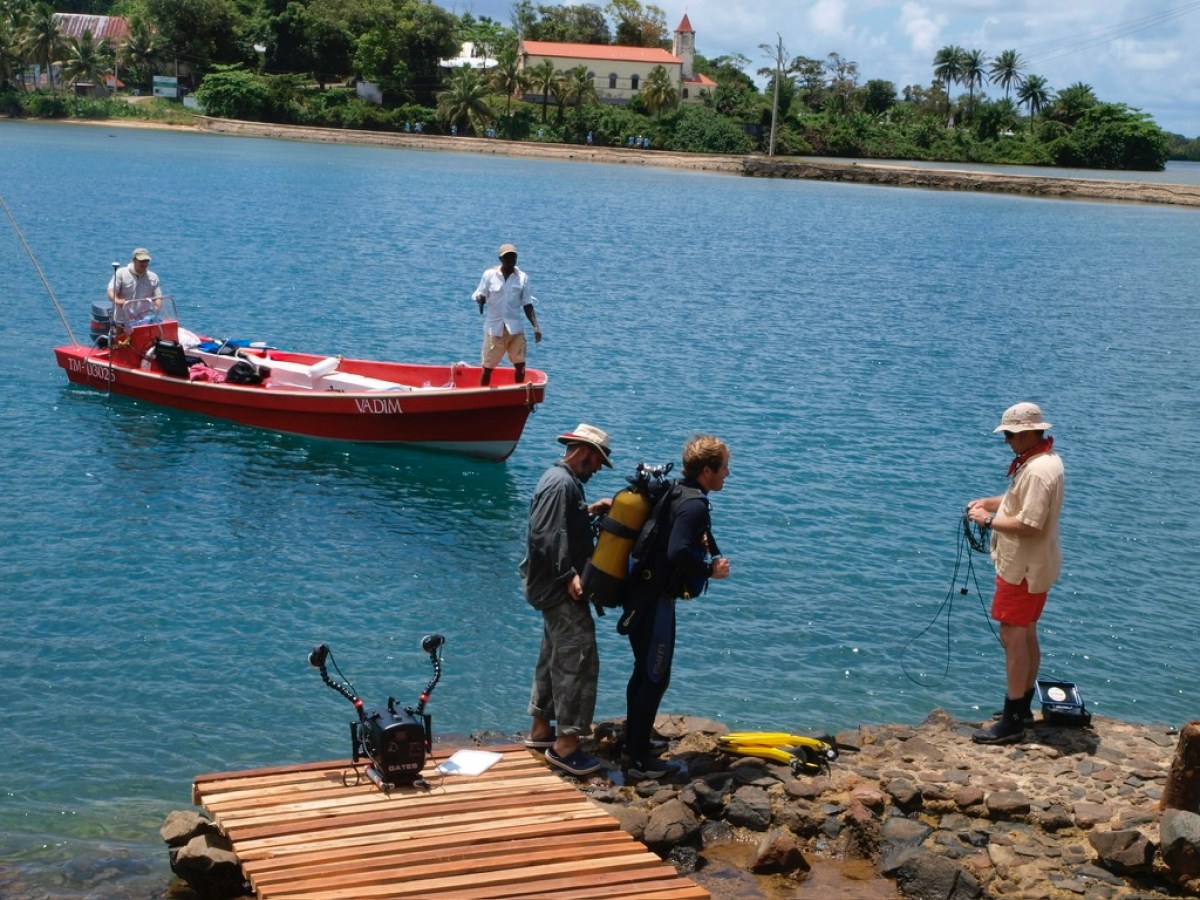
Fieldwork across all seven expeditions employed high-resolution sonar, cartographic correlation, magnetometry, sub-bottom profiling, and systematic underwater excavation. The 2015 season alone identified at least ten major geophysical anomalies across the harbor area. Each field season, disturbed hull remains were re-covered with ballast stones, and artifacts were returned to the site where conservation facilities could not adequately receive them — reflecting our commitment to minimally invasive, preservation-focused practice. Archival research included 18th-century British Admiralty records, French colonial correspondence, the 1720 Morbihan amnesty documents, and primary eyewitness accounts of pirate activity in the Indian Ocean.
Ongoing Research
Expedition Whydah has funded and established a museum and laboratory on Sainte-Marie Island, housing an exhibition on piracy off the African coast and serving as a permanent maritime archaeology base to support the responsible excavation and conservation of nearby shipwrecks. Our team continues to research these sites — analyzing recovered artifacts, consulting primary historical sources, and pursuing the timber species analysis, hull documentation, and archival cross-referencing that will shed more light on the identities of the harbor’s wrecks. Future fieldwork will focus on both the Adventure Galley site and the tentative Nossa Senhora do Cabo site, as well as the other wreck candidates in the harbor. Formal peer-reviewed publication of the research findings is currently in preparation. The work continues.
Press & Media Coverage
Early Coverage: Establishing the Record (1998–2000)
Documentary Coverage
- Discovery Channel — Quest for Captain Kidd (2000) — Documentary covering the team’s initial Madagascar expeditions and the tentative identification of the Adventure Galley
- History Channel — Pirate Island (2011) — Feature-length documentary on the return expeditions to Île Sainte-Marie
- History Channel — Pirate Treasure (2015) — Six-part series featuring fieldwork at the Sainte-Marie wreck sites
Selected Press Coverage (2015)
Recent Coverage (2025)
- Wreckwatch Magazine — “From Goa to Sainte-Marie: An Archaeological Case for the Identification of the Nossa Senhora do Cabo,” Brandon A. Clifford and Mark R. Agostini, June 2025
- Smithsonian Magazine — “Archaeologists Find 300-Year-Old Shipwreck in What Used to Be ‘One of the Baddest Pirate Lairs on Earth’,” July 2025
- Archaeology Magazine (Archaeological Institute of America) — “Divers Discover Portuguese Shipwreck Off Madagascar,” July 2025
- Live Science — “300-Year-Old Pirate-Plundered Shipwreck That Once Held ‘Eyewatering Treasure’ Discovered off Madagascar,” Tom Metcalfe, July 2025
- Gizmodo — “Lost for 300 Years, Pirate-Plundered Treasure Ship Discovered off Madagascar Coast,” July 2025
- All That’s Interesting — “The Shipwreck From One of History’s Biggest Pirate Heists Identified Off the Coast of Madagascar,” July 2025